Every week, I talk to business owners and marketing teams who sound a lot like frustrated novelists. They’ve written a thousand words but can’t seem to find the plot. Their marketing is full of tactics, campaigns, and tech stacks, but when you ask what story they’re telling, they stare at you as if you just asked for the square root of branding.
That’s because most marketing is about activity, not strategy.
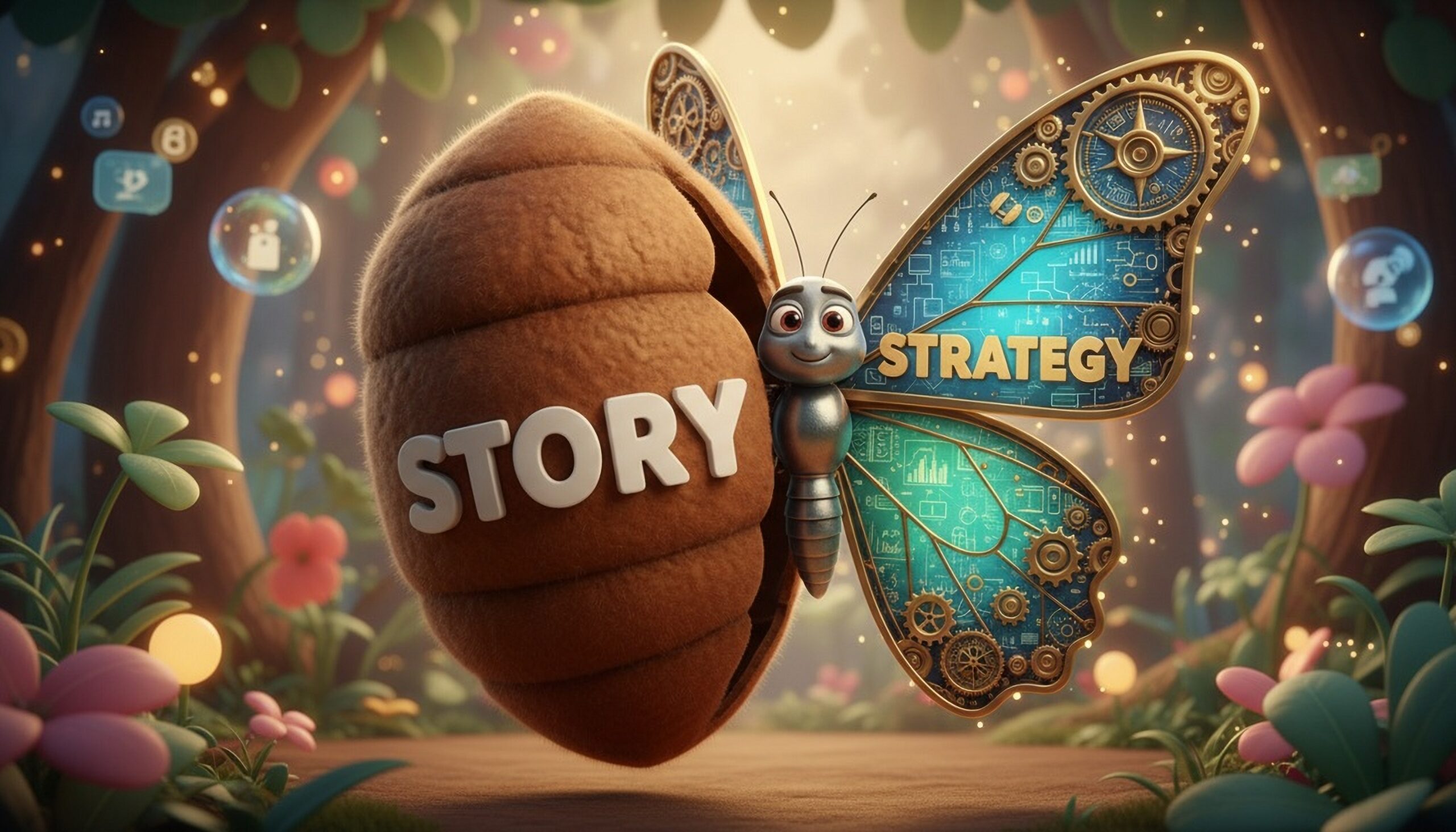
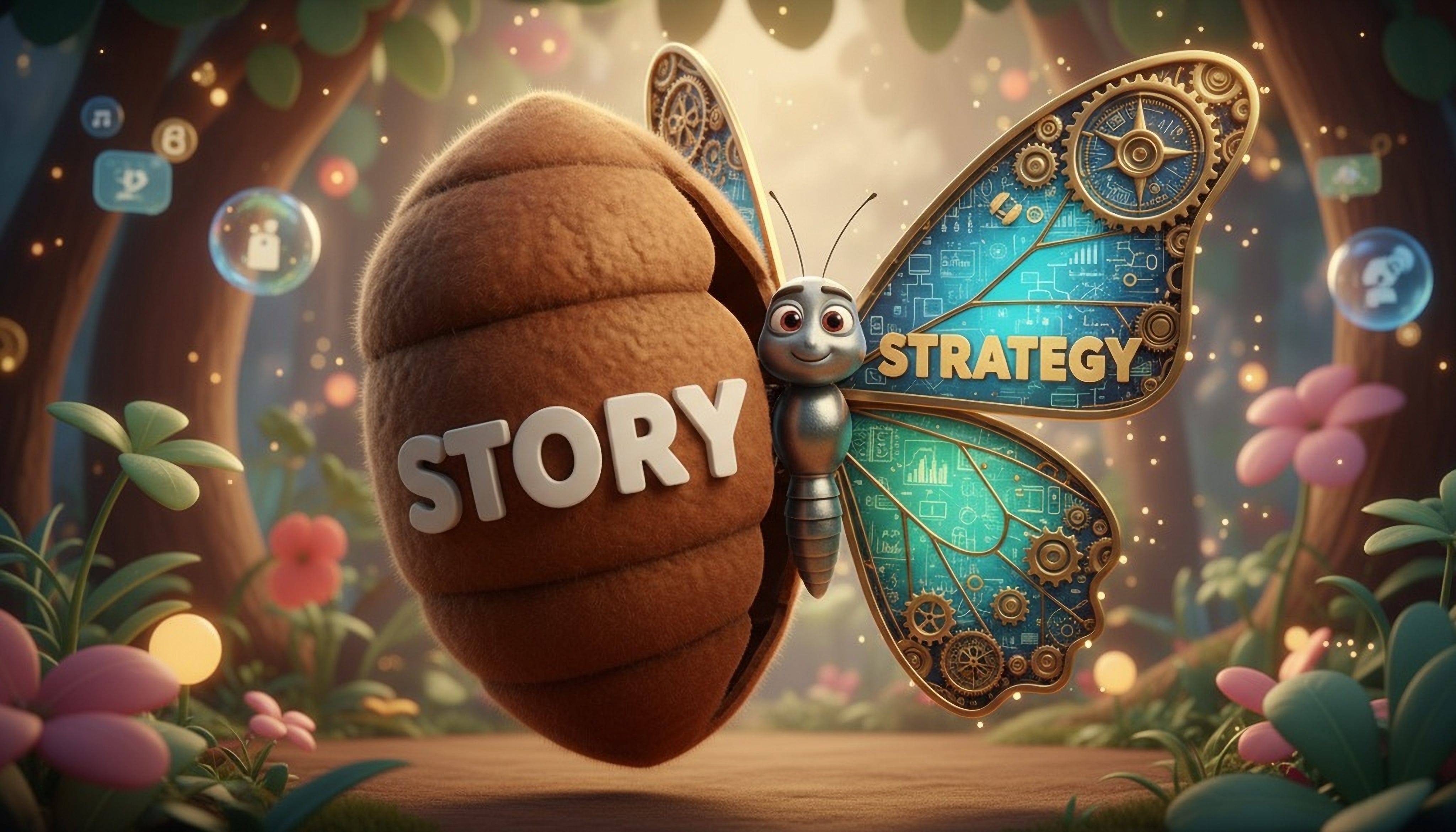
The hidden truth about modern marketing is that it often feels productive. There are posts to schedule, videos to edit, and funnels to build. But if those pieces don’t all tell one clear story, they’re just background noise. That’s where StoryBrand proves invaluable. It provides the plotline your marketing has been missing.
The Psychology of Why Story Works
Before we get into tactics, let’s talk about brains. Humans are built for story. Long before marketing automation, there were campfires. Our brains developed to notice conflict, resolution, and transformation. Neuroscientists call it narrative transportation—the way we mentally enter a story and feel the emotions as if they were our own.
When a message follows a familiar story arc, our brains relax, cognitive load decreases, and trust increases. That’s why Donald Miller’s famous line rings so true: “People don’t buy the best products; they buy the ones they understand the fastest.”
Your buyer’s brain isn’t searching for features or jargon; it’s looking for signals of survival. Can you help me win? Can you help me avoid losing? Every word of your marketing either addresses those questions or makes the brain work too hard and scroll away.
The StoryBrand Framework in One Breath
A customer encounters a problem. They meet a guide who offers a plan, encourages them to take action, helps them avoid failure, shows what success looks like, and guides them through transformation.
That’s it. Seven steps. No mystical branding dust. Just human psychology organized into a map.
Going From Story to Strategy
Too many companies treat StoryBrand as a copywriting exercise instead of what it truly is: a blueprint for strategic alignment. It’s not about crafting clever taglines. It’s about developing a single message that serves as the foundation for every subsequent marketing decision.
When your story is clear, it acts as the filter that guides your strategy. If a campaign doesn’t advance the hero’s journey, it gets cut. Suddenly, “we should be on TikTok” becomes “Does this platform help our customer solve their problem?” The shiny-object chase ends. The story takes control.
Clarity always beats cleverness.
Using StoryBrand in the Marketing Funnel
StoryBrand isn’t just about what you say; it’s about how you shape the entire customer experience. Think of the story as the framework supporting your marketing funnel.
1. Awareness (Top of Funnel)
At this stage, your audience is just recognizing they have a problem. Your role isn’t to sell; it’s to empathize. Use your message to acknowledge their frustration out loud. When someone feels understood, they listen. When they feel pressured to buy, they don’t.
Ads, videos, and posts should reflect the customer’s pain. “We get you” always beats “look at us.”
2. Consideration (Middle of Funnel)
Now your hero is evaluating guides. This is where you demonstrate competence. Show the plan. Prove results. Use case studies that tell mini-stories: a before, a challenge, a transformation.
StoryBrand teaches that your authority comes from empathy first, then expertise. That sequence matters. Nobody cares how smart you are until they believe you care.
3. Decision (Bottom of Funnel)
At this stage, confusion is deadly. The call to action must be clear, urgent, and connected to survival. “Schedule a call” isn’t just an invitation—it’s a lifeline that guides your hero toward success.
Make the stakes clear. What occurs if they don’t take action? Fear of losing is a more powerful motivator than the hope of winning. Help them understand both.
4. Retention and Advocacy (Beyond the Funnel)\
Once your client has crossed the finish line, don’t close the book. Reinforce their success story. Turn them into the hero of your next campaign. When your customers see themselves as heroes, they’ll happily share your story.
That’s how storytelling turns into flywheel marketing.
StoryBrand as the Internal Operating System
Most leaders underestimate the power of internal alignment. You can spend millions on branding, but if your team can’t explain the story in plain English, your message will leak faster than your budget.
StoryBrand creates a common language for your company. Marketing, sales, operations, and leadership all speak the same story. Everyone understands who the customer is, what they want, the problem they face, and how you help them succeed.
This isn’t just about external messaging. It’s the foundation for how you pitch, train, and even innovate. A clear internal story keeps teams focused on results instead of shiny tools or random tactics.
When you align everyone around a single story, your marketing becomes more than just communication—it becomes coordination.
A Quick Example: When Clarity Becomes a Catalyst
A few months ago, I worked with a benefits-tech company that used a lot of complex technical jargon. Their website seemed written by engineers for engineers. The problem? Their buyers were HR managers who simply wanted to make benefits enrollment easier.
We restructured their message using the StoryBrand framework. Their customer became the hero: a stressed HR director under pressure to fix broken systems. The villain wasn’t the competitor; it was the complexity. The guide (our client) presented a simple, human plan: “We do the heavy lifting for you.”
Once the story was established, we rebuilt everything around it: web copy, sales decks, ad campaigns, and even onboarding scripts. Within three months, engagement rates doubled and demo requests tripled. Same product. New story.
The difference wasn’t in tactics; it was in clarity.
From Story to System
StoryBrand isn’t just a framework for words. It’s the foundation of a scalable marketing system. When your story shapes your strategy, you stop reinventing the wheel every quarter. You know what to say, how to say it, and why it matters.
In a marketplace filled with noise, attention isn’t gained through volume. It’s earned through clarity.
Your message is your business strategy in disguise. Get it wrong, and every dollar you spend amplifies confusion. Get it right, and your story becomes the compass for everything you do—brand, content, sales, and culture.
If your marketing doesn’t begin with a story, no matter how loudly you shout, you’ll still be on mute!
Free 30-minute marketing discovery call
Schedule a 30-minute discovery call to learn about our exclusive
savings offer for Substack subscribers.
One More Thing
For you TL;DR folks (you know who you are), check out our YouTube Snarky Summaries. (please LIKE and SUBSCRIBE)